What Is Neo-Tantra, and How Is It Different From Traditional Tantric Practice?
If you've spent any time researching sacred intimacy, somatic bodywork, or pretty much anything in the intersection of spirituality and sexuality, you've run into the word tantra.
You've also probably noticed that tantra seems to mean approximately seventeen different things depending on who's using it. A five-day retreat in Bali. A couples workshop at a yoga studio in Silver Lake. A listing on a massage directory that you closed immediately. An ancient Sanskrit text. A breathing technique your therapist mentioned once.
All of these things exist. Not all of them are the same thing.
Here's my take on what tantra is, what neo-tantra is, how they're related, and what any of this has to do with the work I do in Hollywood, Los Angeles.
Traditional tantra: what it actually is
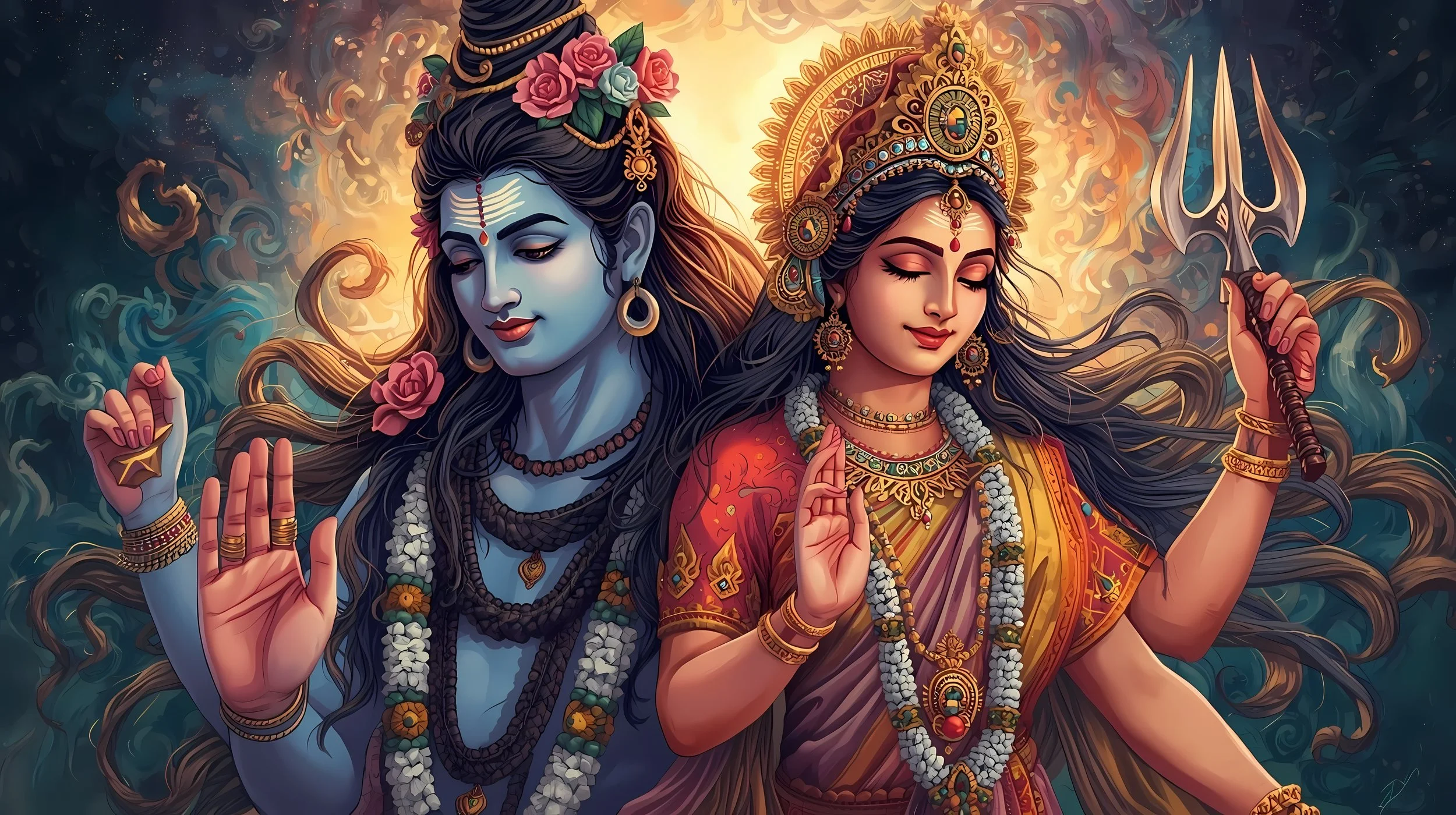
Tantra is a body of Indian spiritual philosophy and practice that emerged roughly fifteen hundred years ago, though its roots run deeper than that. The word itself comes from Sanskrit and carries meanings related to weaving, expansion, and the loom: the idea that everything in existence is woven from a single fabric of consciousness and energy.
Traditional tantra, sometimes called classical tantra, is a complex and diverse tradition. It encompasses specific schools of Hindu and Buddhist thought, detailed ritual practices, mantra, meditation, visualization, energy work, and a sophisticated philosophical framework for understanding the nature of reality, the self, and liberation.
Sexuality is part of some tantric lineages, but it's a relatively small and specialized part of a much larger whole. In the texts and practices where it does appear, it functions as a vehicle for moving energy and consciousness toward liberation, not as a standalone wellness practice or a way to have better orgasms. The goal was spiritual realization. The body was one instrument among many toward that end.
Classical tantra is also, let's be honest, not especially accessible. It requires initiation from a qualified teacher, years of dedicated practice, fluency in complex philosophical frameworks, and a level of commitment that most people aren't looking for when they search "tantra workshop near me." That's not a critique. It's just the reality of what the tradition actually involves.
Neo-tantra: the Western adaptation
Neo-tantra is what happened when elements of classical tantric practice moved westward in the twentieth century, passed through the filter of humanistic psychology, the sexual revolution, the human potential movement, and eventually the wellness industry, and came out the other side as something recognizably different.
The term neo-tantra is sometimes used approvingly and sometimes as a mild insult, depending on who's using it and what they think is being lost in translation. I tend to use it descriptively: it's a distinct modern practice that draws on tantric concepts and methods without being classical tantra, and being clear about that distinction seems more useful than pretending the two are interchangeable.
Neo-tantra tends to emphasize a few things that classical tantra either didn't prioritize or addressed very differently. Embodiment: learning to inhabit the physical body fully and with presence. Breath: using conscious breathwork to move energy and shift states. Sexuality: treating erotic energy not as something to transcend or manage, but as a life force worth working with directly. And presence: the capacity to be fully in the moment rather than somewhere else in your head. Which, if you've ever tried it, you'll know is considerably harder than it sounds.
What neo-tantra largely sets aside is the explicit religious and metaphysical framework of classical tantra. You don't need to subscribe to a particular cosmology. You don't need to be initiated into a lineage. You don't need to know Sanskrit. The practices are adapted for contemporary Western people, which makes them more accessible and, critics would argue, somewhat shallower. Both things can be true.
Where the misuse comes in
Neo-tantra's accessibility is also what makes it easy to misuse. Because the term has no protected meaning, no licensing requirement, and no regulatory body, anyone can call anything tantric. The retreat in Bali can call itself neo-tantric. The massage listing you closed immediately can call itself tantric. The workshop that's really just about having more interesting sex can call itself a tantric workshop.
Some of these things are genuinely good. Some are fine but mislabeled. Some are neither.
The tell, usually, is whether the practitioner can explain what they mean when they use the term. Not in vague evocative language about divine energy and cosmic union, but actually explain it: what practices, what lineage, what training, what ethical framework. If that question produces defensiveness or poetry but not substance, that's useful information.
I'll tell you exactly what I mean when I use it, which brings me to the work I actually do.
How neo-tantra informs my practice
My work is rooted in the sacred intimacy tradition, which draws on neo-tantric philosophy in specific and deliberate ways.
From tantra, I take the understanding of erotic energy as a life force rather than a problem. In both classical and neo-tantric frameworks, sexual energy is not something to be managed, suppressed, or discharged. It is something to be worked with consciously: circulated, expanded, directed. In practice, this means that sessions don't treat arousal as an awkward side effect to be navigated around. It means treating the full range of a person's embodied experience as material worth paying attention to.
From tantra I also take the breath practices. Pranayama, in classical tantra, is a sophisticated set of techniques for working with life energy through the breath. In the way I use breathwork, it's a practical tool for shifting the nervous system: moving from contraction to expansion, from holding to release, from the defended surface of the body toward its deeper experience.
What I set aside, or hold lightly, is the metaphysical scaffolding. I'm not asking you to believe anything in particular about the nature of the universe. If a spiritual or sacred framework is meaningful to you, there's room for that. If it isn't, the practices work anyway, because they're grounded in physiology and the actual experience of being in a body. The breath is real. The nervous system is real. The felt sense of energy moving through the body is real, regardless of how you choose to frame it philosophically.
What that means in practice is sessions that are body-centered, presence-focused, and attentive to energy and sensation in a way that draws on a real lineage without requiring you to sign up for a belief system. Which, for a lot of the men I work with, is exactly the right balance.
Why this distinction matters to you
You might reasonably be wondering why any of this is relevant if you're just trying to figure out whether to book a session.
Here's why I think it matters.
The word tantra gets attached to a wide range of things, and some of those things are genuinely transformative and some are not what they claim to be. Understanding what the term means, and what questions to ask, gives you a way to evaluate what you're actually considering. A practitioner who can explain their lineage, their training, and what they mean when they use a particular term is a different thing from one who uses evocative language as a substitute for substance.
I can tell you exactly what informs my practice and why. I think you should be able to ask that of anyone whose studio you're considering walking into. And if the answer doesn't hold up, that's worth knowing before you book.
Frequently asked questions
Do I need any background in tantra or spirituality to work with you?
None at all. I don't require any particular belief system, prior experience with meditation or yoga, or familiarity with tantric philosophy. What helps is curiosity and a willingness to be present in your body. That's the whole prerequisite.
Is neo-tantra the same as sacred sexuality?
Related but not identical. Sacred sexuality is a broader umbrella that includes neo-tantric practices along with other somatic and spiritually inflected approaches to erotic experience. Think of neo-tantra as one tributary that feeds into the larger river of sacred sexuality work. My practice draws on both, along with elements of somatic coaching and the specific sacred intimacy lineage.
I've seen "tantric massage" advertised everywhere in Los Angeles. Is that the same as what you do?
Short answer: usually not. "Tantric massage" has become one of the most overloaded terms in the LA wellness and bodywork market, covering everything from legitimate somatic work grounded in real tantric-informed practice to services that have borrowed the vocabulary without the substance. My work is grounded in a specific practitioner lineage with a clear ethical framework. Every session begins with an explicit consent conversation. If you've had an experience that called itself tantric massage and it didn't feel like that, the difference is real and I'm happy to talk through it on a clarity call.
Is this connected to Osho or the tantric tradition he taught?
Osho, also known as Rajneesh, was a significant influence on how neo-tantra developed in the West, particularly through the Neo-Sannyas movement of the 1970s and 80s. Some elements of contemporary neo-tantric practice trace a lineage through that tradition. My own lineage runs more directly through the Body Electric School and the sacred intimacy practitioner tradition developed by Joseph Kramer and others. There's some overlap in the broader neo-tantric landscape, but they're distinct streams.
Can neo-tantric practices be used in a relationship context?
Yes, and that's one of the more powerful applications of the work. Breathwork and somatic presence practices done with a partner can shift relational dynamics in ways that talk-based approaches sometimes can't reach. I work primarily with individuals, but if you're interested in how this work might inform a relationship, the clarity call is a good place to discuss what might be possible.
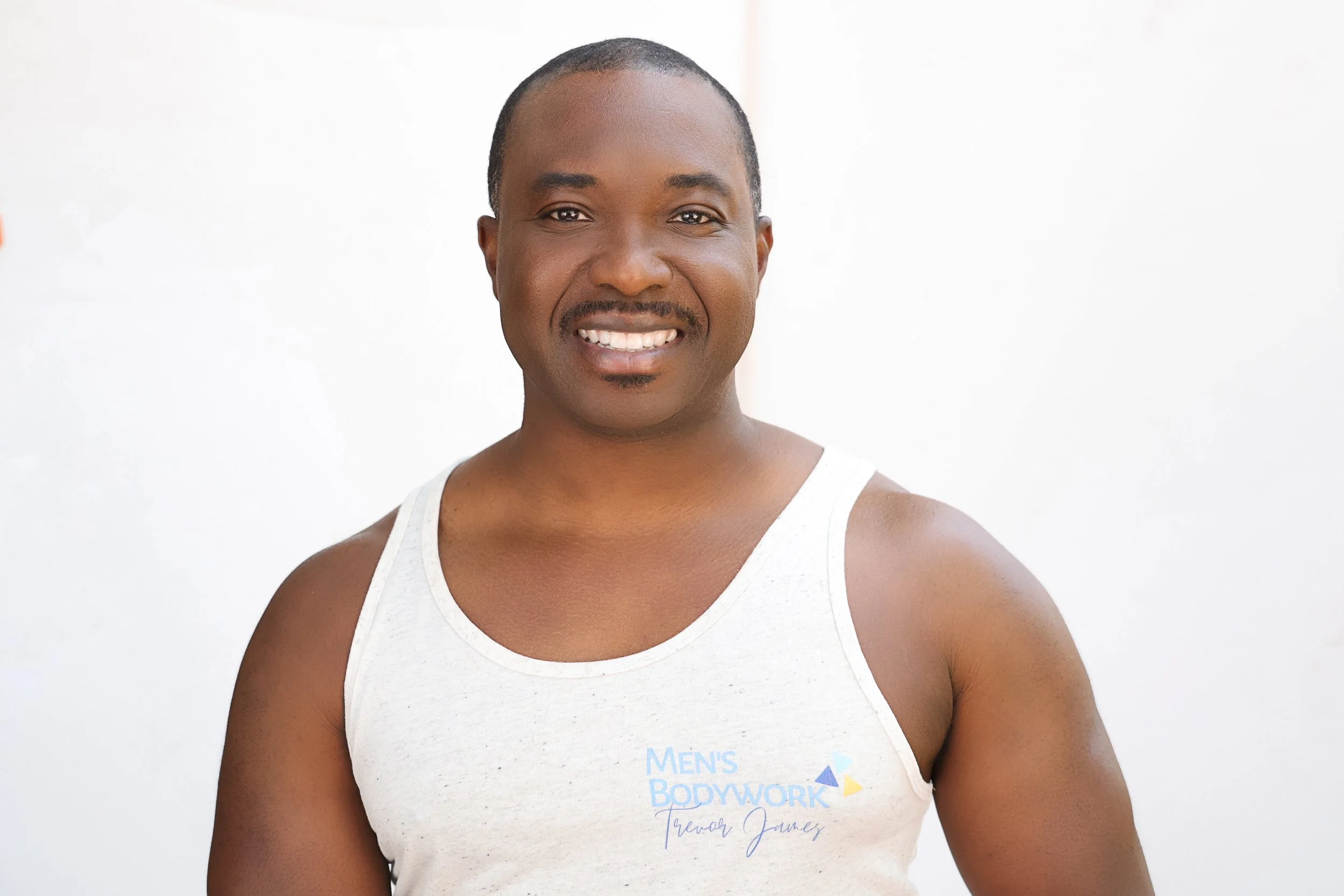
Trevor James is a sacred intimacy practitioner, somatic coach, and author based in Los Angeles. He has worked with men across orientations and backgrounds for eight years. His studio is in Hollywood. He can be reached at trevor@trevorjamesla.com or at (213) 588-4242.